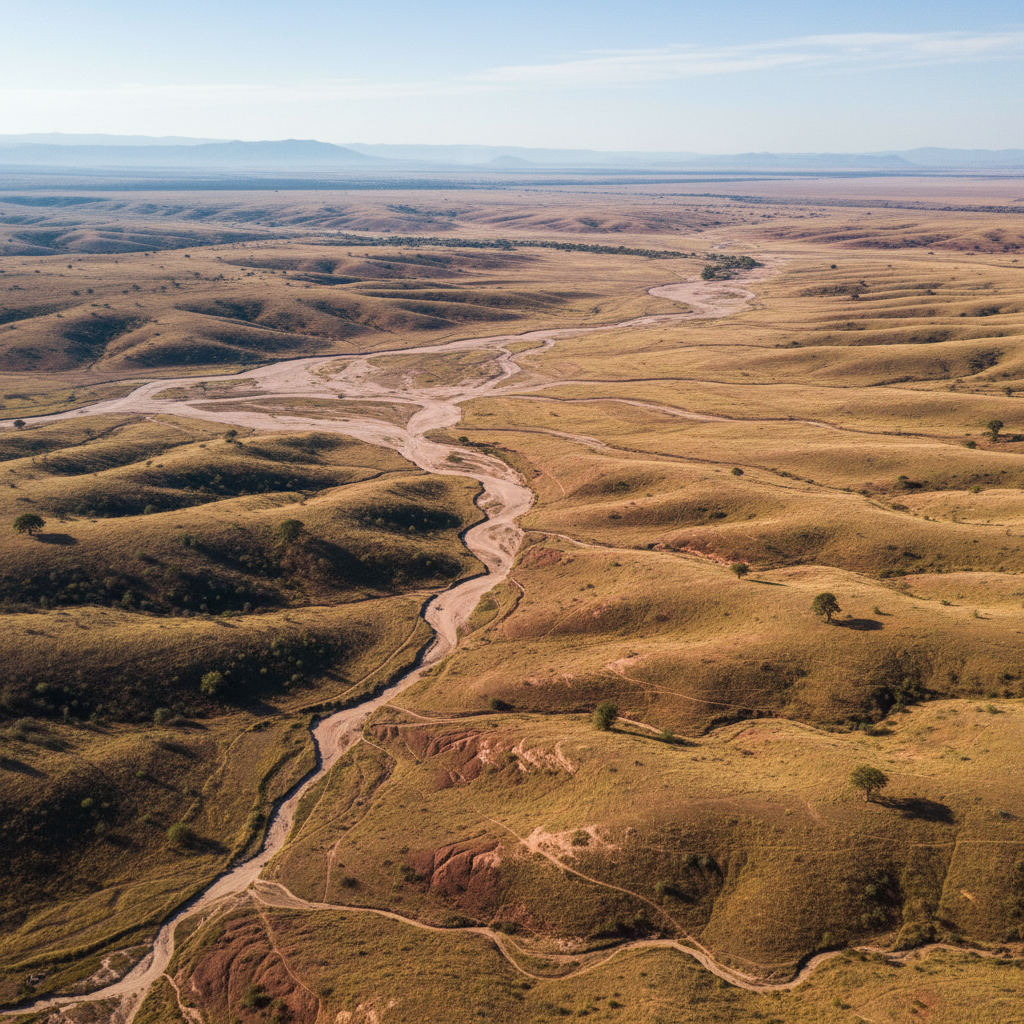
Vacant land is the most patient of all property assets. It asks nothing of you in the short term and rewards those who understand its potential over the long term. The question is not whether to develop — it is when, how, and to what end.
Land is the original property asset. Before there were buildings, there was land. And in a world where the supply of well-located, well-serviced land is finite and diminishing, it remains one of the most compelling long-term investments available.
But land is also the most misunderstood property asset. Buyers who approach it with residential property logic — comparing price per square metre, looking for comparable sales, expecting immediate income — will consistently misread its value and its potential.
Land is valued differently. Its worth is not in what it is today but in what it can become. And what it can become is a function of its location, its zoning, its services, its topography, and the vision of the person who owns it.
“The most enduring land assets in South Africa were created by people who thought in decades, not quarters.”
— Prestige Advisory
The first question to ask when evaluating vacant land is not "what is it worth?" but "what can it do?" Can it be developed residentially? Commercially? For agriculture? For hospitality? Can it be subdivided? Can it be consolidated with adjacent land to create a larger opportunity? Can it be held as a land bank while surrounding infrastructure develops?
Each of these questions has a different answer depending on the specific land, and each answer has a different implication for value and strategy.
The second question is timing. Land development is a long-cycle activity. The returns are not immediate. The capital is patient. The strategy must be patient too. Developers who have created the most significant value from land in South Africa are those who acquired early, held through the development cycle, and built with a long-term vision rather than a short-term exit.
“Land is valued differently. Its worth is not in what it is today but in what it can become.”
The third question is legacy. What do you want this land to become? Not just in the next development cycle, but in the next generation. The most enduring land assets in South Africa — the wine estates, the game reserves, the agricultural holdings, the private residential estates — were created by people who thought in decades, not quarters.
Prestige works with landowners and land acquirers at every stage of this journey — from initial feasibility through development structuring through the creation of assets that will outlast their creators.
Key Figures
Generational
Investment horizon
Potential, not current use
Primary value driver
What can it become?
Key question
Speak with Prestige
Speak with a Prestige advisor about land acquisition and development strategy.
DISCUSS AN ACQUISITION